
Minimal decor isn’t about empty rooms — it’s about choosing less on purpose.
Minimal decor isn’t about living with nothing or making your home feel cold and sterile. It’s about clarity, intention, and creating a space that feels calm the moment you walk in.
If clutter stresses you out, if too many patterns make your brain feel noisy, or if you want a home that’s easier to maintain, minimal decor might be exactly what you’re looking for.
What Is Minimal Decor?
Minimal decor focuses on a clean look, open space, and carefully chosen pieces. In a minimal home, every item has a reason for being there — it’s either useful, beautiful, or both.
Minimal decor is:
- Clean, not cold
- Simple, not boring
- Intentional, not empty
Why People Love Minimal Decor
Minimal decor isn’t just about looks — it’s about how a space feels.
Minimal spaces tend to create:
- A sense of calm
- Less visual stress
- Easier cleaning and maintenance
- A home that feels organized without trying
The Core Elements of Minimal Decor
1) A Neutral Color Palette
Most minimal spaces use a tight palette such as:
- White
- Cream
- Beige
- Soft gray
- Black (in small amounts)
This doesn’t mean no color — it just means color is used thoughtfully, not everywhere.
Neutral Area Rugs

|

|

|
Neutral area rugs help make a room feel stable, balanced, and complete. In minimal decor, where there are fewer pieces, furniture can sometimes feel like it’s floating or placed at random. A neutral rug creates a clear base under the furniture, showing that everything belongs together as one space. It gives the eye a place to rest, defines the layout of the room, and keeps the space from feeling unfinished — all without drawing attention to itself.
Simple ideas for Neutral Area Rugs
- Soft solid or heathered neutral color — ivory, beige, warm gray, or light taupe that blends easily with walls and furniture
- Subtle texture instead of bold pattern — low-pile weave, flatweave, or lightly ribbed texture for quiet visual interest
- Simple, low-contrast design — faint lines, minimal geometric shapes, or a barely-there pattern that won’t compete with the rest of the room
- Bold or high-contrast patterns — large designs pull attention away from the calm, simple layout
- Too dark or heavy in color — deep shades can make the room feel smaller and visually crowded
- Overly plush or busy textures — thick shag, heavy fringe, or loud textures can overpower a minimal space
Neutral curtain panels

|

|

|
Neutral curtain panels help a room feel soft, calm, and finished without pulling attention away from the rest of the decor. In a minimal home, they frame the windows gently, add warmth, and soften hard lines from walls and furniture. Instead of making a statement, neutral curtains support the overall look and keep the space feeling light and balanced.
Simple ideas for neutral curtain panels:
- Linen or linen-look fabric — adds texture and softness without looking heavy
- Light, warm neutrals — white, cream, soft beige, or light gray that brighten the room
- Clean, simple panels — no bold patterns, heavy trims, or shiny finishes so the windows stay calm and uncluttered
- Too dark or heavy — deep colors can make the room feel smaller and visually heavy
- Busy or high-contrast patterns — bold prints distract from the calm, clean look
- Overly decorative — no tassels, ruffles, shiny fabrics, or thick embellishments that add visual clutter
Warm White LED Bulbs

|
Warm LED lights help create a space that feels soft, calm, and welcoming. In minimal decor, lighting is less about making a statement and more about setting the mood. Warm light gently softens the room, reduces harsh shadows, and makes neutral colors feel cozy instead of flat. The right warm LED lighting can instantly make a minimal space feel comfortable and lived-in without adding any visual clutter.
Simple ideas for warm LED lighting:
- Warm white bulbs (around 2700K–3000K) — create a cozy glow that feels natural and relaxing
- Soft, diffused light — frosted bulbs or fabric shades that spread light evenly
- Simple fixtures — clean-lined lamps or recessed lighting that blend into the space
- Cool or daylight bulbs — they feel harsh and make the room look sterile
- Overly bright lighting — too much intensity breaks the calm atmosphere
- Decorative or novelty lighting — color-changing, exposed designs, or flashy styles add unnecessary distraction
2) Clean Lines & Simple Shapes
Minimal furniture and decor usually have:
- Straight or gently curved lines
- Simple silhouettes
- No heavy ornamentation
This keeps the room feeling open and uncluttered.
Modern Side Tables
–

|

|

|
Modern side tables play a quiet but important role in minimalist decorating. Instead of standing out, they support the room by adding function without visual clutter. A well-chosen side table gives you a place to set essentials while keeping the space feeling clean, balanced, and intentional. In minimal decor, the best side tables blend in seamlessly and let the overall layout feel calm and organized.
Simple ideas for modern side tables:
- Clean, simple shapes — round or square tops with slim legs or solid bases
- Neutral or natural finishes — light wood, matte black, white, or soft stone tones
- Minimal footprint — compact size that fits the space without overcrowding
- Bulky or oversized designs — large tables can overpower a simple layout
- Highly decorative details — carvings, ornate legs, or busy designs add visual noise
- Shiny or high-gloss finishes — reflective surfaces can feel distracting instead of calm
Minimalist Floor Lamps

|

|

|
Minimalist floor lamps provide light without competing for attention. In minimalist decorating, a floor lamp should quietly enhance the space by adding height and warmth while keeping the room feeling open and uncluttered. The best minimalist floor lamps blend into the design, offering soft, functional lighting that supports a calm, intentional atmosphere.
Simple ideas for minimalist floor lamps:
- Slim, clean silhouettes — straight lines or gentle curves without bulky bases
- Neutral finishes — matte black, brushed metal, white, or light wood
- Soft, focused lighting — warm bulbs with shades that diffuse light evenly
- Oversized or heavy designs — large bases or thick poles can overwhelm the space
- Highly decorative styles — ornate details or dramatic shapes distract from the clean look
- Harsh or exposed bulbs — uncovered bulbs create glare and break the calm feel
Floating Shelves

|

|

|
Floating shelves are a practical way to add storage in minimalist decorating without making a room feel heavy. Because they appear to “float” on the wall, they keep the space feeling open while still giving you a place to display or store a few intentional items. In a minimalist home, floating shelves should feel light, clean, and purposeful — not crowded or decorative.
Simple ideas for minimalist floating shelves:
- Thin, clean profiles — slim shelves with straight edges that blend into the wall
- Neutral finishes — white, light wood, soft gray, or matte black
- Limited styling — a few well-spaced items with plenty of breathing room
- Thick, bulky shelves — heavy boards make walls feel crowded
- Overdecorated or cluttered — too many items defeat the purpose of minimal decor
- Ornate brackets or visible hardware — exposed details add visual noise
3) Fewer, Better Pieces
Instead of lots of small decor, minimal homes usually lean into a few strong pieces:
- One large wall art piece instead of many small ones
- One statement lamp instead of multiple accent lights
- One vase instead of a shelf full of objects
Large Neutral Abstract Wall Art

|

|
 |
Large neutral abstract wall art helps a minimalist space feel complete without feeling busy. Instead of filling a wall with many small pieces, one large artwork creates a clear focal point while keeping the room calm and uncluttered. In minimalist decorating, abstract art works best when it adds subtle movement and texture without overpowering the space.
Simple ideas for large neutral abstract wall art:
- Soft, muted tones — creams, beiges, warm grays, taupes, or gentle black accents
- Organic or flowing shapes — loose lines, soft curves, or subtle brush strokes
- Oversized scale with simplicity — one large piece that fills the wall without needing companions
- Bold, high-contrast colors — bright or dramatic tones pull too much attention
- Busy or detailed designs — complex imagery adds visual noise
- Multiple small pieces grouped together — cluttered arrangements break the clean, minimal look
Oversized Mirrors
|

|

|
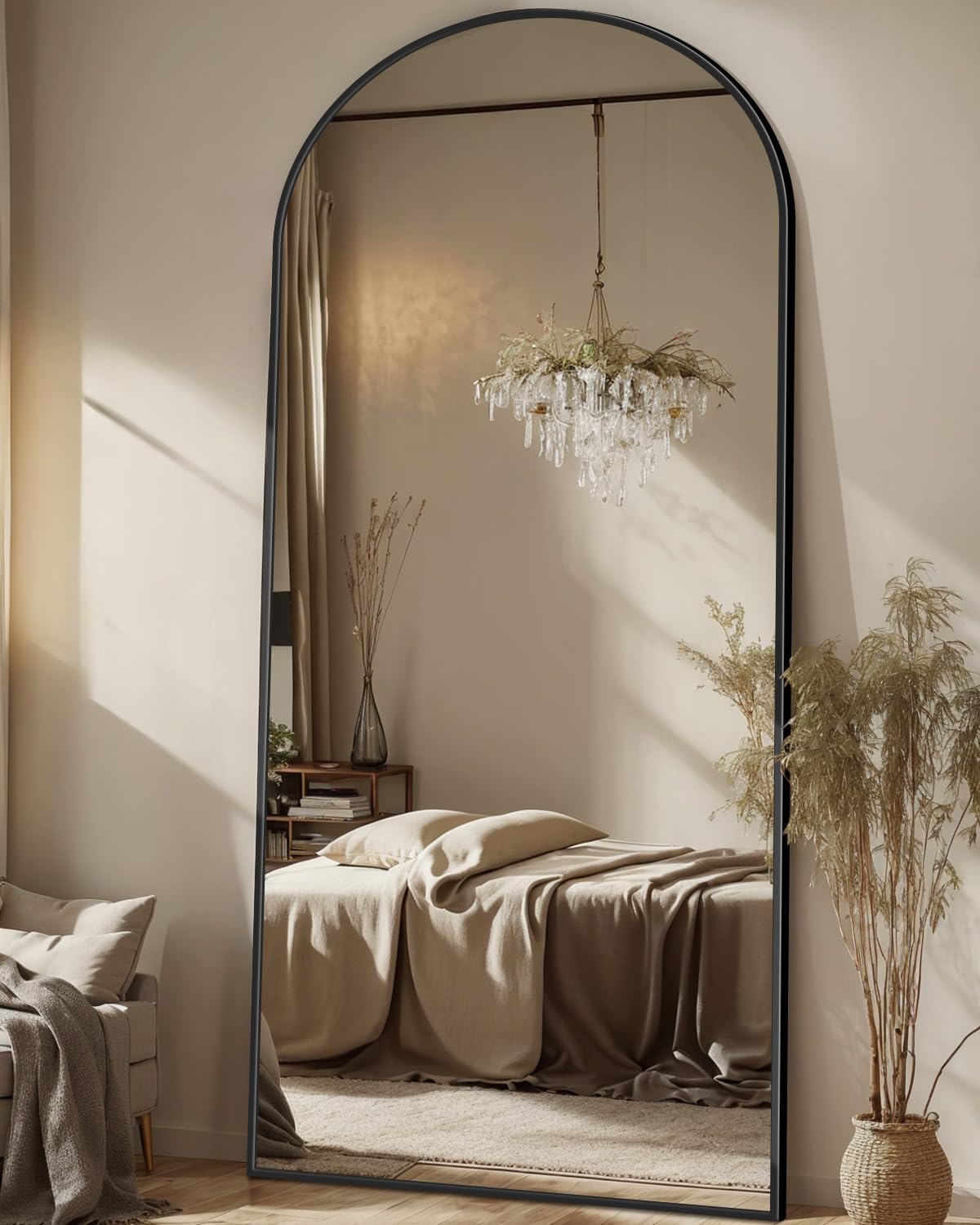
Oversized mirrors are a powerful but understated element in minimalist decorating. They reflect light, visually open up the room, and add presence without adding clutter. In a minimalist space, an oversized mirror acts as a functional design feature, making the room feel larger and brighter while keeping the overall look clean and intentional.
Simple ideas for oversized mirrors in minimalist decor:
- Clean, simple frames — thin metal, light wood, or frameless designs
- Large scale with minimal detailing — one statement mirror instead of multiple smaller ones
- Strategic placement — positioned to reflect natural light or an open area
- Ornate or heavily carved frames — decorative details distract from the clean look
- Small, segmented, or mosaic mirrors — broken visuals add clutter
- Highly glossy or flashy finishes — overly shiny frames can feel distracting rather than calm
Minimal Ceramic Vase
|
 |
 |
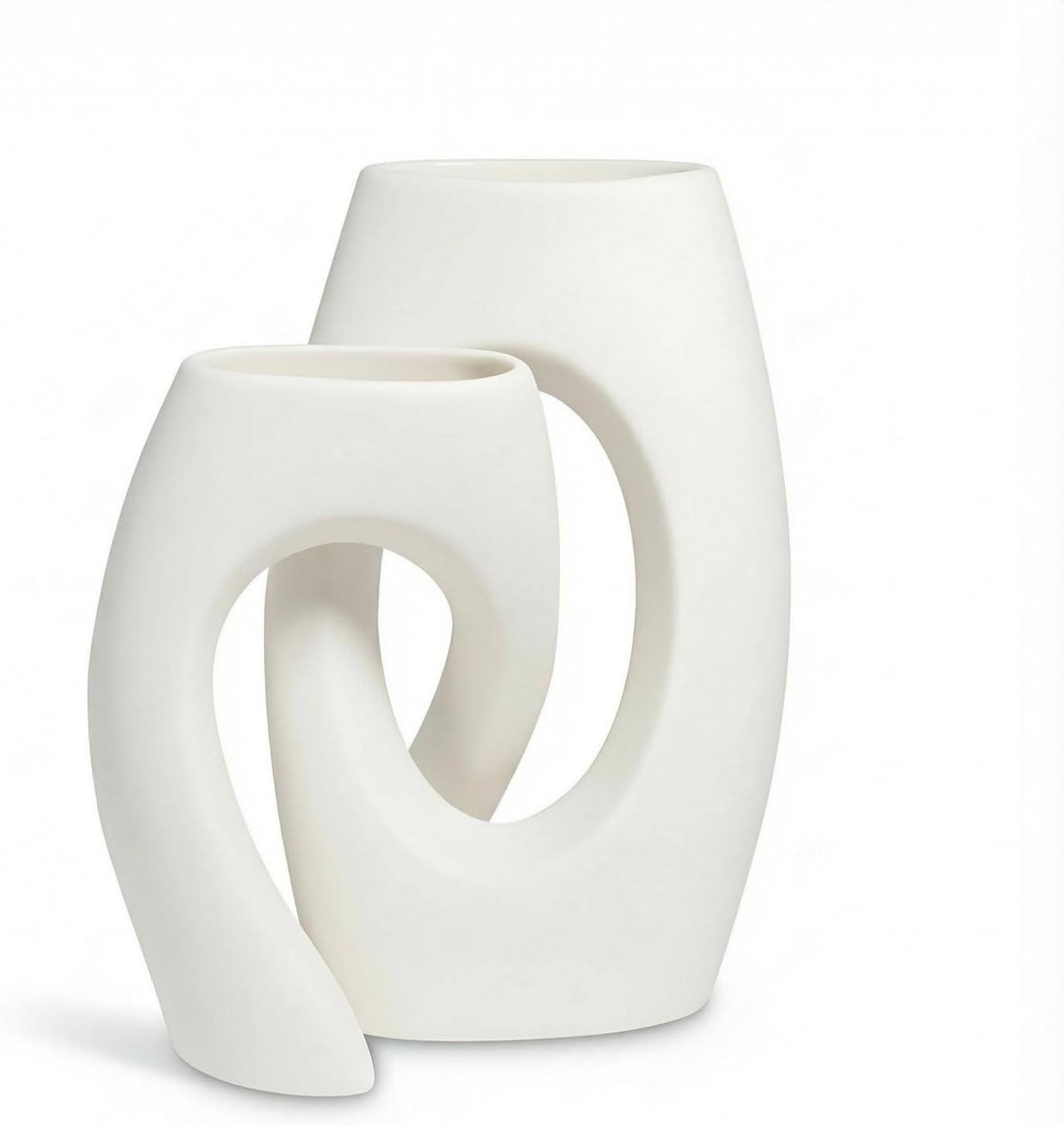
Minimal ceramic vases add softness and interest to a minimalist space without creating clutter. Their simple shapes and muted finishes make them decorative even when empty, which is ideal for minimal decor. Instead of acting as a bold accent, a minimal ceramic vase quietly supports the room by adding texture and balance.
Simple ideas for minimal ceramic vases:
- Clean, sculptural shapes — round, cylinder, or gently curved forms
- Soft neutral finishes — white, cream, sand, stone, or matte gray
- Single-piece styling — one vase on its own or paired with just one stem
- Bright or glossy colors — bold hues pull too much focus
- Busy patterns or heavy detailing — painted designs and textures add visual noise
- Large grouped collections — too many vases together feel cluttered instead of intentional
4) Open Space Is Part of the Design
Empty space isn’t “unfinished” in minimal decor — it’s intentional. Clear surfaces:
- Help the eye rest
- Make rooms feel larger
- Keep the space feeling calm
Storage Ottomans

|
 |

|
Storage ottomans are a smart, functional piece in minimalist decorating because they add seating and hidden storage without increasing visual clutter. In a minimal home, a storage ottoman helps keep everyday items out of sight while still blending seamlessly into the room. The best options feel simple, purposeful, and easy on the eyes.
Simple ideas for storage ottomans in minimalist decor:
- Clean, boxy or softly rounded shapes — simple forms without extra detailing
- Neutral upholstery — beige, gray, cream, or soft taupe in matte fabrics
- Hidden storage design — lift-top or hinged lids with no visible compartments
- Oversized or bulky styles — large pieces can dominate the room
- Bold colors or busy patterns — attention-grabbing designs disrupt the calm look
- Decorative extras — tufting, nailheads, or ornate legs add unnecessary visual noise
Storage Baskets

|

|

|
Storage baskets are a natural fit for minimalist decorating because they organize everyday items while keeping the space calm and uncluttered. In a minimal home, baskets work best when they are medium to large in size, allowing you to use fewer pieces overall. One well-sized basket looks intentional and tidy, while several small baskets can quickly feel busy. Chosen in neutral materials and simple shapes, storage baskets help hide clutter, add subtle texture, and support a clean, balanced look without drawing attention to themselves.
Simple ideas for storage baskets in minimalist decor:
- Natural materials — woven seagrass, rattan, cotton rope, or canvas
- Soft, neutral tones — beige, tan, cream, light gray, or muted brown
- Simple shapes — round or rectangular baskets with clean lines
- Bright colors or bold patterns — these draw attention instead of blending in
- Overly decorative details — tassels, lettering, or heavy contrast trim add clutter
- Too many baskets on display — excess storage still creates visual noise
Making Your Minimal Decor Look Warm and Cozy
Real-life minimal decor still needs warmth. To keep a minimal space from feeling cold:
- Add texture (linen, wool, wood, ceramic)
- Use warm lighting instead of harsh white bulbs
- Mix matte and soft finishes
Textured Throw Blankets

|

|

|
Textured throw blankets add warmth and comfort to minimalist spaces without disrupting the clean look. In a minimal home, a throw blanket isn’t meant to stand out — it’s meant to soften the space and make it feel inviting. Texture does the work instead of color, adding depth through knit, waffle, or woven fabrics while keeping the palette calm and cohesive.
Simple ideas for textured throw blankets in minimalist decor:
- Soft, neutral colors — cream, beige, warm gray, or light taupe
- Subtle texture — knit, waffle weave, or lightly woven designs
- Casual, natural drape — folded neatly or loosely draped for an effortless look
- Bold colors or loud patterns — they pull focus away from the calm design
- Overly heavy or shaggy textures — thick fringe or chunky detailing can feel busy
- Shiny or synthetic finishes — glossy fabrics break the soft, natural feel
Linen Pillow Colors

|

|
|
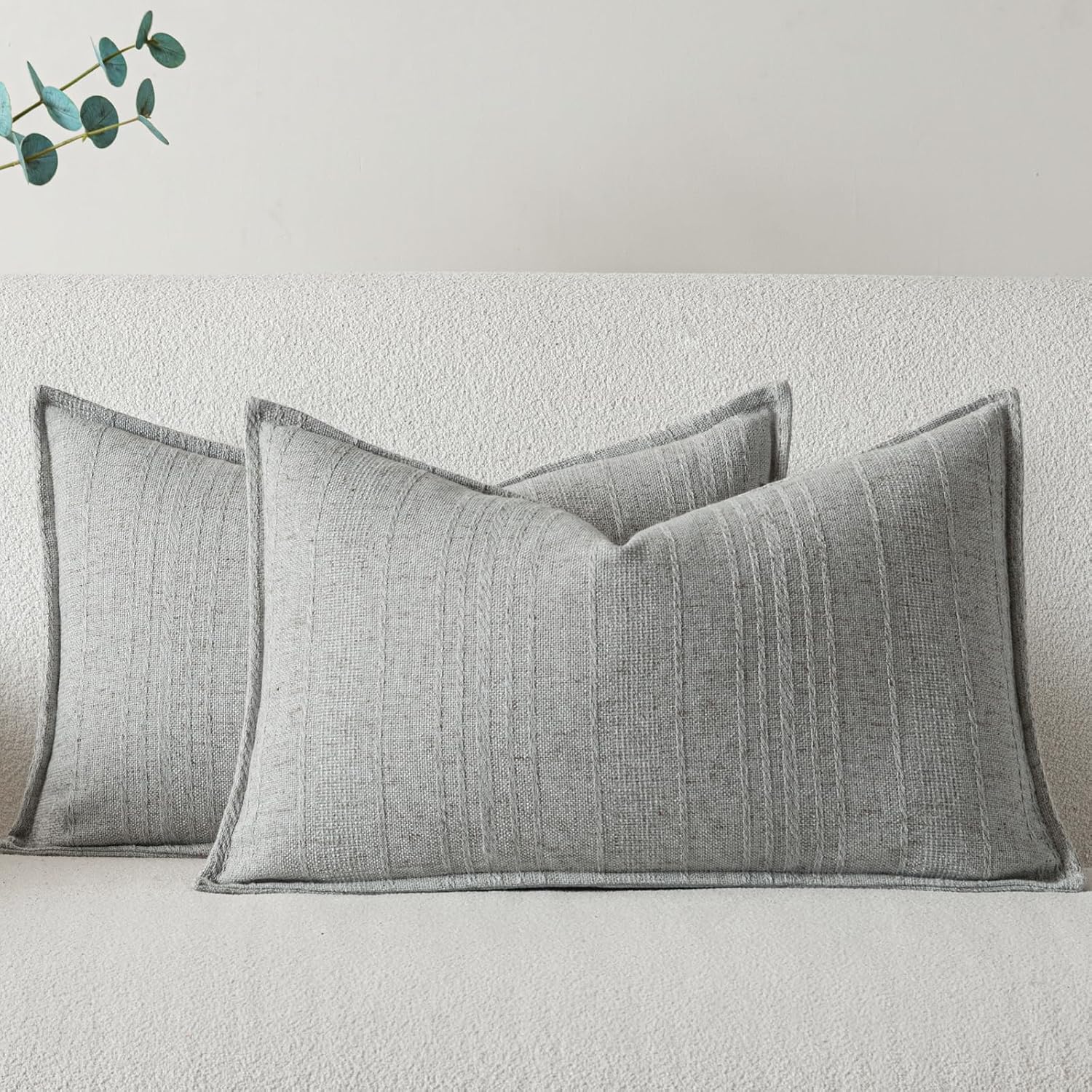
Linen pillow covers are an easy way to add softness and texture to a minimalist space without introducing clutter. In minimal decor, they keep seating areas comfortable while blending seamlessly into the overall design. Linen’s natural weave adds quiet visual interest, making pillows feel intentional rather than decorative.
Simple ideas for linen pillow covers in minimalist decor:
- Soft, neutral shades — white, cream, beige, warm gray, or muted taupe
- Natural, slightly textured fabric — relaxed linen or linen-blend for an organic look
- Limited quantity — two or three pillows instead of many
- Bright colors or busy patterns — bold designs add visual noise
- Overly structured or stiff styles — rigid shapes feel formal rather than relaxed
- Too many mixed sizes or shapes — excess variety can make seating feel cluttered
Flameless Candles

|

|

|
Flameless candles add warmth and ambiance to a minimalist space without adding clutter or maintenance. In minimal decor, they create a soft glow that makes neutral rooms feel cozy and inviting while keeping the look clean and simple. Because they don’t require matches, smoke, or constant attention, flameless candles fit naturally into a calm, low-effort home.
Simple ideas for flameless candles in minimalist decor:
- Warm, realistic flicker light — soft amber tones that mimic real candlelight
- Clean, simple exteriors — smooth wax or matte finishes in neutral colors
- Limited grouping — one to three candles styled together for balance
- Cool-toned or harsh lighting — blue or bright white light breaks the cozy mood
- Decorative or novelty designs — patterns, logos, or flashy colors add distraction
- Large clusters or overuse — too many candles create visual clutter
Common Minimal Decor Mistakes (and How to Fix Them)
❌ Going too bare too fast
Fix: Start by removing clutter, not all decor. Keep a few intentional pieces.
❌ Choosing everything white
Fix: Layer neutrals (cream, beige, light wood) to create depth.
❌ Ignoring comfort
Fix: Add soft texture with a rug, throw, or two simple pillows.
❌ Feeling like every piece must be “perfect”
Fix: Minimal decor still allows personality — just in smaller, more intentional doses.
How to Start Minimal Decorating (Step-by-Step)
- Clear surfaces first: remove what doesn’t belong or isn’t used.
- Edit, don’t erase: keep meaningful items — just fewer of them.
- Choose one focal point per room: art, sofa, bed, or a statement light.
- Stick to a tight color palette: this alone makes a space feel calmer.
- Add warmth last: texture and lighting come after the basics.
Is Minimal Decor Right for You?
Minimalist decor works best for lifestyles where space, time, and visual calm are priorities — and where clutter can realistically be kept under control.
Single adults or couples
Minimalist style is easiest when fewer people share the space. There are naturally fewer belongings, less daily clutter, and more control over what comes into the home. Singles and couples often find minimal decor easier to maintain long-term.
Work-from-home professionals
Minimalist spaces support focus and productivity. Fewer visual distractions help keep work areas calm, especially for people who spend many hours at home and need clear, functional rooms.
Students (especially in small spaces)
Minimal decor works well in dorms, studios, and small apartments. A minimal setup keeps limited square footage from feeling crowded and makes moving or rearranging easier.
Empty nesters
People whose children have moved out often naturally shift toward minimalism. There’s less need for storage-heavy furniture, and the focus turns to comfort, openness, and ease of upkeep.
Urban or apartment living
Minimalist decor fits smaller homes where storage is limited. Clean layouts and fewer items help spaces feel larger and more breathable.
When minimalist decor is more challenging (but not impossible)
- Large families with young children — toys, school supplies, and daily mess make strict minimalism hard to maintain
- Households with many hobbies — crafting, collections, sports gear, or instruments require visible storage
- Homes with multiple generations — different needs and belongings add complexity
In these cases, people often do better with soft minimalism: clean foundations with smart storage, rather than strict minimalism.
Bottom line
Minimalist decor fits lifestyles with:
- Fewer people or shared items
- Smaller or multifunctional spaces
- Work-from-home or study routines
- A desire for low-maintenance living
It can still work for families — but it usually looks simpler on the outside and organized on the inside, rather than empty.
Minimal decor is a great fit if:
- Clutter stresses you out
- You prefer calm, quiet spaces
- You want low-maintenance decorating
- You like things to feel “finished” quickly
It may not be your style if:
- You love lots of color and pattern
- You enjoy collecting and displaying decor
- Empty space makes you uncomfortable
Minimal Decor Can Grow With You
One of the best things about minimal decor is flexibility. You can start very simple, then add pieces slowly as your taste (and confidence) grows.
Minimal decor isn’t a strict rule — it’s a foundation.
Final Thought
Minimal decor isn’t about having less for the sake of less. It’s about creating a home that feels clear, calm, and intentional.
If your space helps you breathe easier when you walk in, you’ve done it right.
Affiliate disclosure (copy/paste):
This post may contain affiliate links, which means I may earn a small commission if you purchase through my links — at no extra cost to you. Thanks for supporting DecorateByTheme.com!